
Woke is a slang term that has made its way into the mainstream from some varieties of African American English. In AAE, awake is often rendered as woke, as in, “I was sleeping, but now I’m woke.”
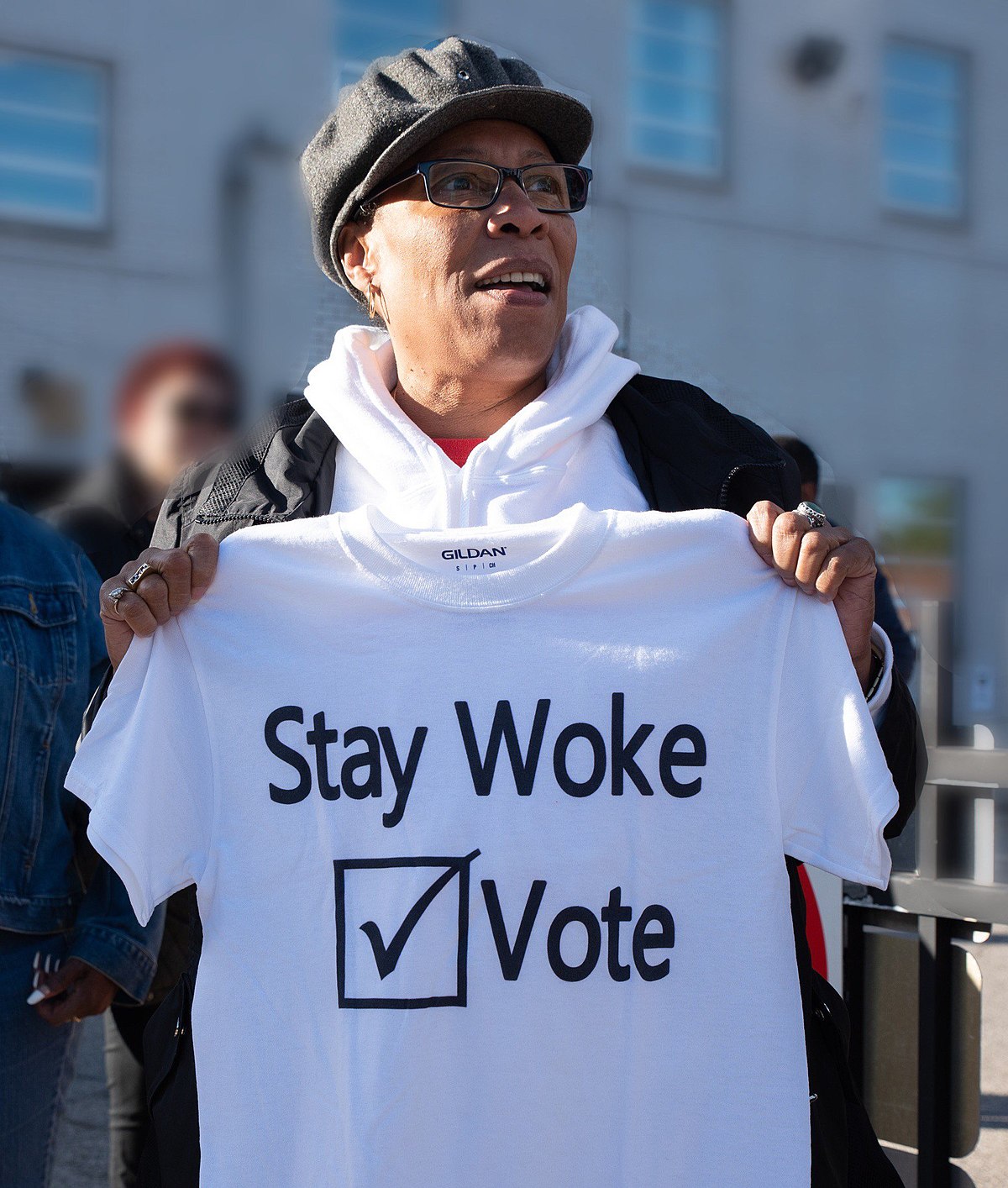
Woke is an adjective derived from African-American English used since the 1930s or earlier to refer to awareness of racial prejudice and discrimination, often in the construction stay woke.
One word has become unavoidable on the campaign trail — woke. But what does it really mean and where does it come from? The word has a long and serious history in Black culture.
What is the definition and origin of 'woke'? The term "woke" used to have a different meaning. It was first used by Pan-African activist Marcus Garvey as early as 1923. "Woke" was meant to...
Typically, “wokeness” and “woke ideology” are terms of abuse, used against a variety of practices that, despite their diversity, have a similar character. Often, what is dismissed as “woke”...
A person described as “woke” is often seen as being sensitive to social issues, promoting inclusiveness, diversity, and equality. The term has also been associated with progressive movements, social activism, and left-leaning political ideologies.
In this article, I’ll share with you what woke means in slang, trace its evolution, examine its varied usage in today’s social context, and explore the implications, both positive and controversial, of calling someone or something woke.
The definition of "woke" changes depending on who you ask. The term has recently been used by some conservatives as an umbrella term for progressive values, often using it with negative connotations.
The word woke has become a familiar part of political discourse especially over the last few years. Once used to describe awareness of social injustice, it is now often used as a negative term, especially by conservative politicians and media figures.